You do not need a race number, a club membership or a packed training calendar to book sports massage. People looking for sports massage Preston often include recreational runners, social footballers, gym members, gardeners, tradies and people getting back to activity after time away.
The useful question is not whether you count as an “athlete”. It is whether your muscles feel tired, tight or sore in a way that is affecting comfortable movement, training or recovery. A good appointment starts with that conversation, then adapts the treatment to you.
What makes a massage “sports” massage?
Sports massage is a practical way of describing massage planned around physical activity. It may draw on remedial massage techniques, but the session should be guided by your current symptoms, training load, goals, health history and preferences—not by a fixed routine.
That means two people can book for the same reason and receive different care. A runner with heavy calves after increasing weekly kilometres may need a different approach from a warehouse worker whose shoulders feel loaded after repetitive lifting. Pressure should also be adjusted to the person. More force is not automatically more effective.
The Victorian Department of Health’s Better Health Channel overview of massage notes that massage techniques vary in touch, pressure and intensity. It also lists delayed-onset muscle soreness among the problems massage may help manage. That is a measured way to think about it: massage can be one part of recovery, not a promise to erase soreness or prevent every injury.
Who might reasonably book sports massage?
You might consider an appointment if you:
- exercise for general health rather than competition
- have recently changed your training frequency, distance or intensity
- feel muscular fatigue after work, gardening or weekend sport
- want a quieter recovery session during a busy training block
- are returning to activity and want treatment tailored to your current tolerance
The shared thread is activity, not ability. A first-time Parkrun participant can have just as valid a reason to seek care as an experienced athlete.
What happens at an appointment?
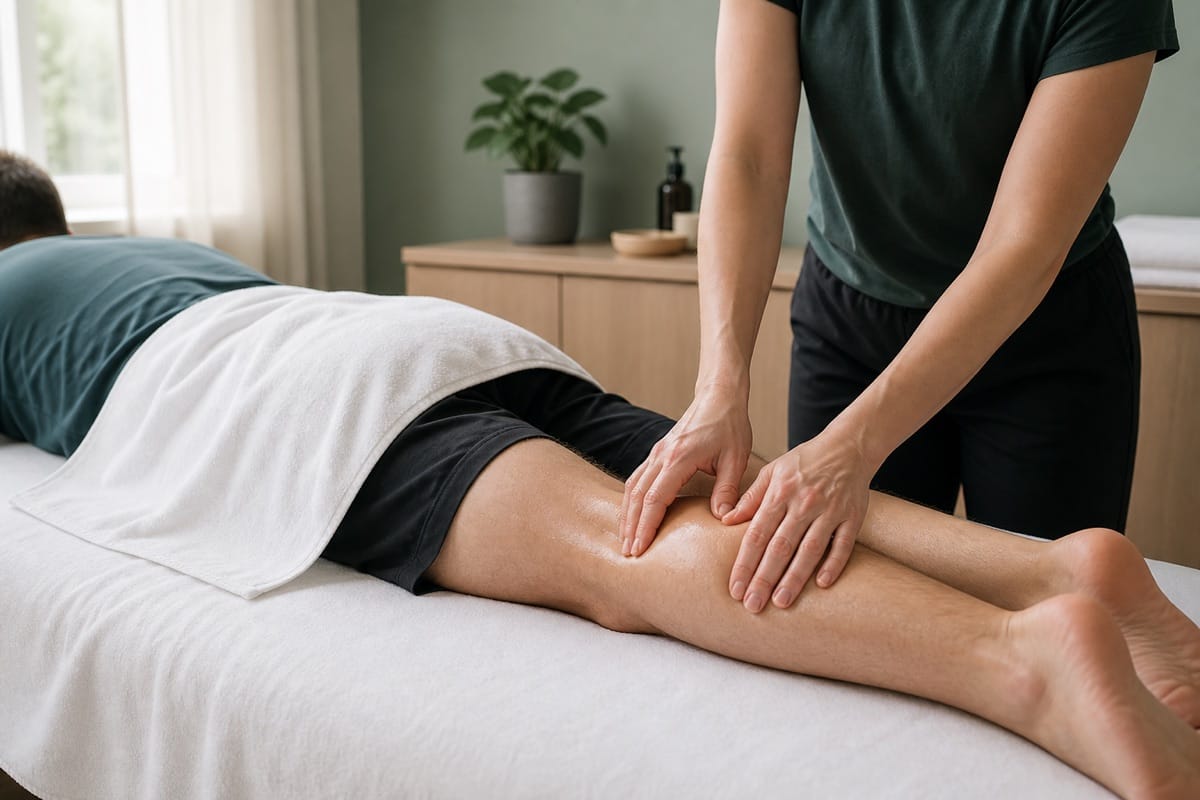
Before hands-on treatment, your therapist should ask what has changed and what you hope to get from the session. Useful details include the activity you do, when the discomfort began, where you feel it, what makes it better or worse, and whether it changes normal movement.
Tell the therapist about recent injuries, operations, pregnancy, medicines and relevant health conditions. Mention skin irritation, infection, unexplained swelling or suspected fracture before treatment. The Better Health Channel advises that massage may not be recommended in some circumstances, or that input from a GP or specialist may be appropriate.
The therapist may observe a simple movement or check the area before discussing a plan. You can ask what they intend to do, request lighter pressure, decline a technique or stop the session at any point. Consent is ongoing, not a formality completed at the start.
Advanced Health’s remedial massage service explains the clinic’s broader approach and what to expect from care in Preston.
Where does massage fit around training?
Think of massage as one option within recovery—not a replacement for sensible training progressions, sleep, food, hydration or appropriate rehabilitation. The best timing depends on the purpose of the session and how you usually respond.
A gentler appointment may suit someone who wants to settle after a demanding week. A more targeted session can leave an area temporarily tender, so booking unfamiliar treatment immediately before an important match or event may not be ideal. If your main question is timing, our guide to booking sports massage around training covers the practical trade-offs.
When massage is not the first step
New or worsening symptoms deserve context. Seek prompt medical advice for severe pain after trauma, an inability to bear weight, marked swelling, visible deformity, loss of strength or sensation, chest pain, breathing difficulty, or a hot, red and swollen limb. Call Triple Zero (000) for an emergency.
Massage should not be used to push through a suspected serious injury or to delay assessment. If you are unsure whether an appointment is suitable, contact the Preston clinic before booking and describe what is happening.
Frequently asked questions
Do I need to be fit to book sports massage?
No. Treatment can be adapted for beginners, people returning to movement and regular exercisers. Your current capacity matters more than a fitness label.
Does sports massage have to hurt?
No. Pressure can be changed throughout the appointment. Speak up if you are bracing, holding your breath or simply want a lighter approach. Stronger pressure is not a test of commitment.
Can massage fix an injury?
That depends on what is causing the symptoms. Massage may help with some muscular soreness or tension, but it cannot diagnose every problem and is not a substitute for medical care when warning signs are present.
How do I book in Preston?
You can view available times on the Advanced Health online booking page. Choose a remedial massage appointment and share your activity, symptoms and goals when you arrive.
This article provides general information only and is not a diagnosis or individual medical advice. If symptoms are severe, worsening, unusual or concerning, seek assessment from an appropriate health professional.