Clinical Pilates Preston — Reformer-Based Rehab at Advanced Health
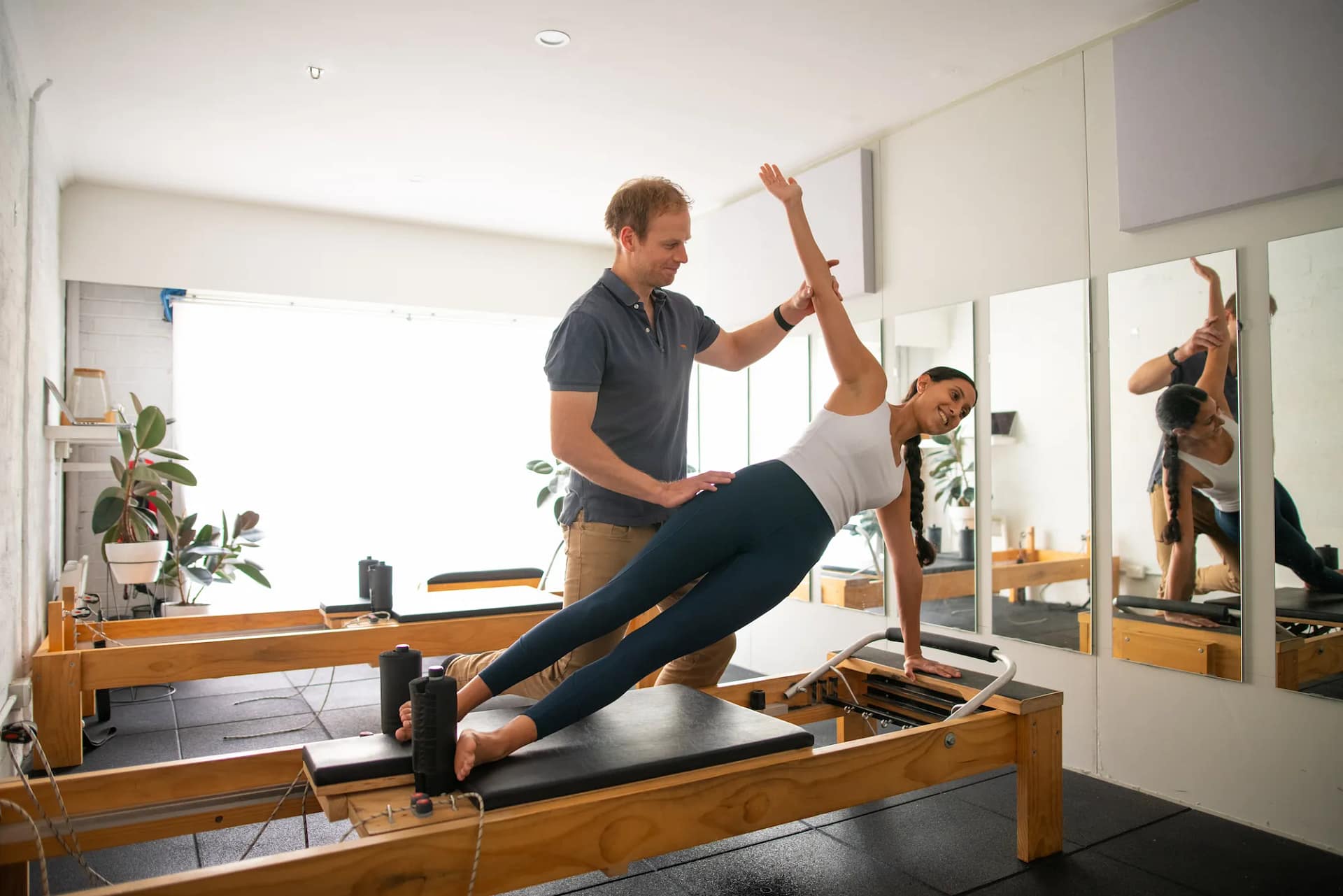
Advanced Health Preston offers clinical Pilates — small-group reformer and equipment-based sessions supervised by Andrew Cunningham, our AHPRA-registered chiropractor. Unlike studio Pilates, clinical Pilates is prescribed to address a specific physical complaint or rehabilitation goal: lower back pain, postpartum core recovery, hip and pelvic instability, or injury prevention for active adults. We’re at 4/107 Plenty Road, Preston 3072.
Clinical Pilates vs studio Pilates
The key difference is clinical supervision and prescription. Studio Pilates classes follow a general programme designed for fitness; clinical Pilates is individually assessed and prescribed to address your specific movement dysfunction, injury, or rehabilitation need. At Advanced Health, your programme is developed by Andrew based on your initial assessment findings — not a generic sequence.
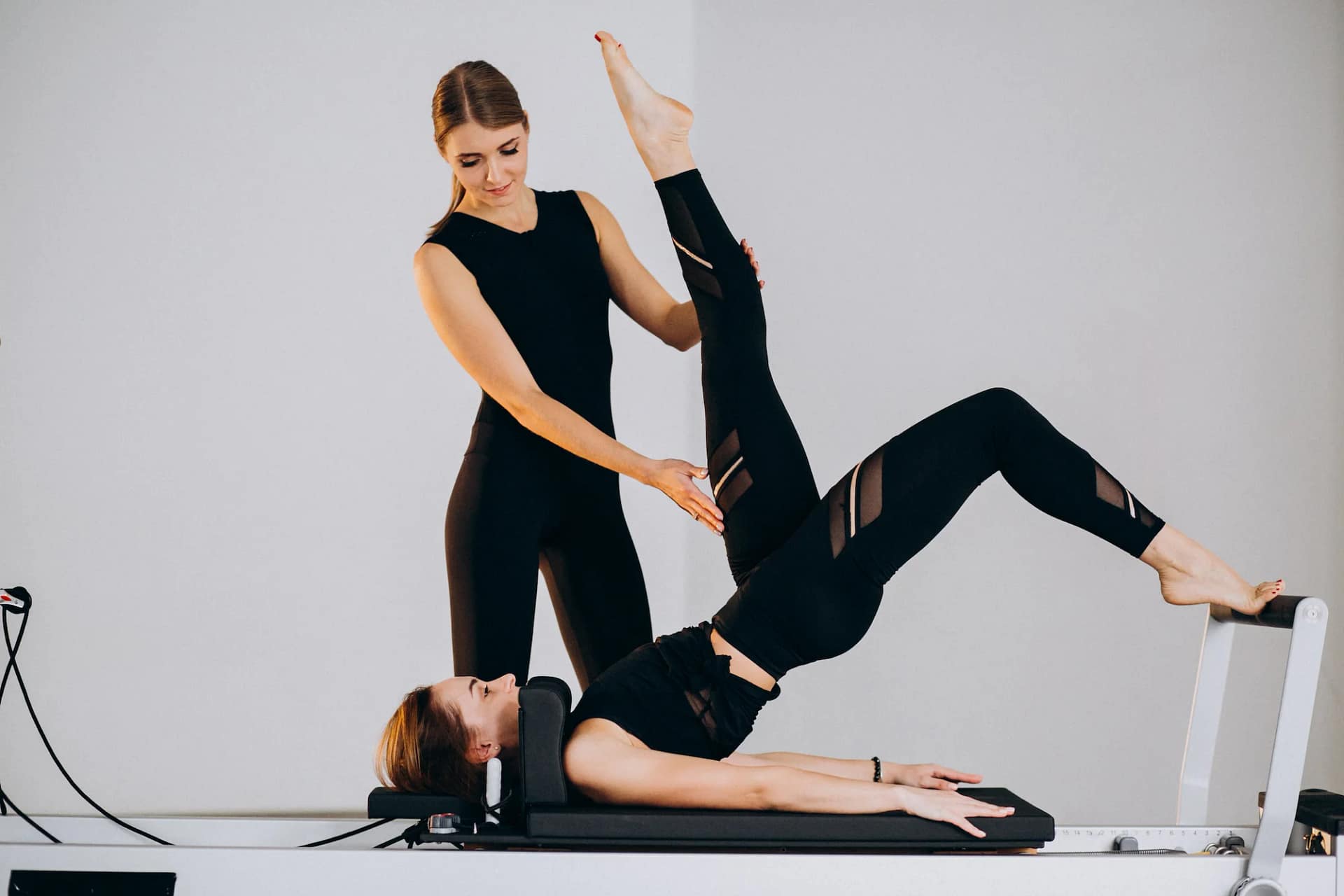
Clinical Pilates at Advanced Health uses the Reformer, Trapeze Table (Cadillac), Wunda Chair, and mat work — whichever equipment combination best suits your programme. Sessions are conducted in small groups of 2–4 people, ensuring you’re supervised rather than just “in a class.”
Who clinical Pilates is for
- Lower back pain patients — particularly those with disc injuries, spondylolisthesis, or chronic non-specific back pain who need a structured progressive loading programme to build spinal stability and reduce recurrence
- Postpartum recovery — pelvic floor rehabilitation and progressive core loading after pregnancy; safe return to exercise programme for new mothers
- Hip and pelvic instability — sacroiliac joint dysfunction, hip impingement, and gluteal weakness patterns that benefit from controlled progressive loading
- Injury prevention for active adults — runners, cyclists, and gym athletes who want to identify and address movement weaknesses before they become injuries
- Post-surgical rehabilitation — returning to movement after spinal surgery, hip replacement, or knee surgery with a safe, supervised programme
- Scoliosis management — specific Pilates programming for managing scoliotic curves and the associated muscular imbalances
- Osteoporosis — targeted loading in safe ranges to build bone density and improve balance, reducing fall risk
How the programme works
All new clinical Pilates patients begin with a one-on-one assessment appointment with Andrew (30–45 minutes). This covers your injury or complaint history, movement assessment, and identification of the specific weaknesses or imbalances to address. From this, Andrew prescribes your initial programme and introduces you to the equipment. You then join small-group sessions (2–4 people) progressing through a programme tailored to your starting point and goals.
Programmes are typically reviewed and progressed every 4–6 weeks. As you get stronger and more capable, your programme advances — this is the clinical distinction from studio Pilates, where the programme is largely static. The goal is always to graduate you to independent exercise with the skills and body awareness to maintain your progress without indefinite supervision.
Clinical Pilates for lower back pain in Preston
Lower back pain is the most common reason patients come to clinical Pilates at Advanced Health. Most people with chronic or recurrent lower back pain have identifiable movement dysfunction: poor lumbopelvic coordination, inadequate deep core (transversus abdominis and multifidus) recruitment, hip hinge pattern breakdown under load, and asymmetrical loading across the pelvis. Clinical Pilates, prescribed around these specific deficits, is one of the most evidence-supported interventions for chronic low back pain.
Many of our Preston-based clinical Pilates patients are referred internally from Andrew’s chiropractic caseload — once the acute pain is managed, clinical Pilates provides the rehab pathway that prevents recurrence. This integrated approach (chiropractic + clinical Pilates in the same building, with the same lead practitioner) is significantly more effective than either modality alone.
Postpartum clinical Pilates in Preston
Postpartum clinical Pilates at Advanced Health is designed for new mothers who want a safe, supervised return to exercise after birth. The programme addresses pelvic floor recruitment, progressive abdominal loading (with attention to diastasis recti if present), hip and glute strength, and the postural demands of feeding and carrying a newborn. Sessions can commence from 6–8 weeks post-birth for vaginal delivery patients, or from 8–12 weeks for caesarean delivery patients — with GP clearance.
Pricing
Initial assessment (1:1 with Andrew, 45 minutes): $90. Small-group Pilates sessions (ongoing): please call for current pricing. Health fund extras rebates apply for clinical Pilates from a registered provider — check your policy or call your fund. No GP referral required to start, though a management plan referral may apply for chronic condition rebates.
FAQs about Clinical Pilates in Preston
What is the difference between clinical Pilates and yoga?
Yoga is a broad movement and breathing practice. Clinical Pilates is specifically prescribed around your movement assessment findings to address a musculoskeletal problem or weakness. Yoga can be beneficial alongside clinical Pilates, but they serve different purposes — yoga doesn’t provide the same targeted progressive loading that clinical Pilates does for rehabilitation.
Do I need to have Pilates experience?
No. Everyone starts with a 1:1 assessment session with Andrew where you’re introduced to the equipment and your programme is set. You don’t need any prior Pilates experience — in fact, starting with no preconceptions makes it easier to learn the correct technique.
How is the Reformer used?
The Reformer is a spring-resistance bed that allows exercises at varying levels of load and in multiple positions — lying, seated, kneeling, standing. The spring resistance can be increased or decreased to match your current strength, making it ideal for progressive loading in rehabilitation. It’s much more versatile than mat Pilates alone.
Can I do clinical Pilates if I’m pregnant?
Yes, with modification. We offer prenatal clinical Pilates from the second trimester onward, with appropriate avoidance of supine positions after 20 weeks and modification of intra-abdominal pressure exercises. Please let us know at booking that you’re pregnant so your programme is set up appropriately from the start.
How often should I come?
Most patients start with once-weekly sessions and move to fortnightly as they progress. The frequency depends on your goal: acute rehab patients typically come weekly; maintenance patients may come fortnightly or monthly.
Book your clinical Pilates assessment
Call (03) 9484 9185 or book online to book your initial 1:1 assessment. We’re at 4/107 Plenty Road, Preston 3072 — open Monday–Friday 8am–7pm and Saturday 8am–1pm.