If you search for acupuncture Preston, you may find clinics using terms such as acupuncture, medical acupuncture and dry needling. They all involve fine needles, but the names do not describe exactly the same approach.
The practical point is simple: ask what technique is being offered, why it is being considered for you and what training the practitioner has completed. A clear answer matters more than choosing a treatment from a label alone.
The short answer: related tools, different clinical frameworks
Both acupuncture and dry needling puncture the skin with fine needles. The difference is mainly in how practitioners select the points and explain the treatment.
Healthdirect describes acupuncture as the placement of needles at selected acupuncture points. It has roots in Chinese medicine, although it is also used in other healthcare settings. Dry needling is generally directed towards selected points in muscles and is commonly used by musculoskeletal health practitioners.
That distinction is useful, but real appointments can vary. Technique, depth, treatment area, the practitioner’s professional background and the reason for care all affect what happens. If a clinic uses several terms, ask them to explain which one applies to your booking.
What dry needling can look like in allied-health care
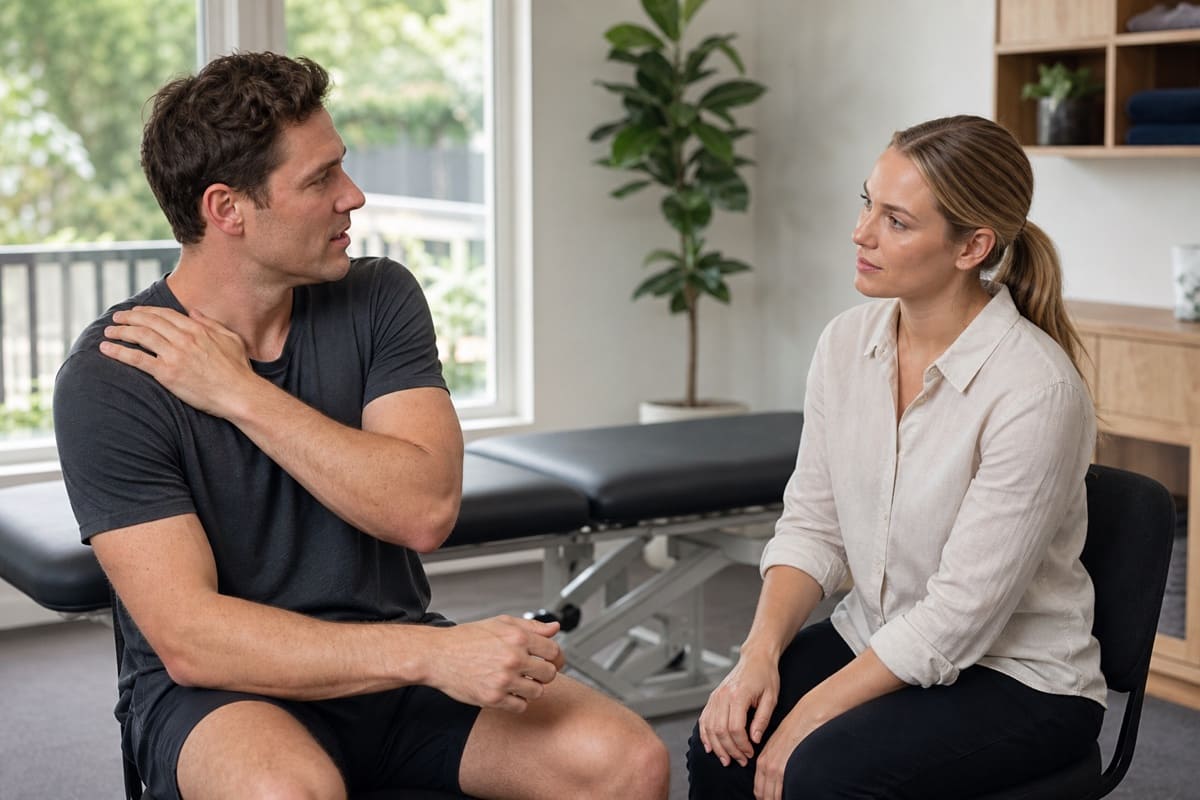
Dry needling is usually considered after a conversation and a physical assessment. A practitioner may look at movement, local tenderness, activity demands and how the problem affects work, sleep or exercise. Needling should not be automatic just because an area feels tight.
Advanced Health lists Dry Needling and Medical Acupuncture among its Preston services. Before treatment, the practitioner should explain what they are proposing, which area would be treated, reasonable alternatives and the relevant risks. You can ask for more time, choose another option or decline.
Why practitioner titles and training matter
In Australia, “acupuncturist” is a protected title. Ahpra’s advertising guidance explains that it may be used by a registered Chinese medicine practitioner in the acupuncture division, or by a registered health practitioner with the required acupuncture endorsement.
Other registered health professionals may use dry needling within their training and scope, but that does not make the titles interchangeable. You can check registered practitioners on the Ahpra public register. It is also reasonable to ask how often the clinician uses the technique and what infection-control process they follow.
Five questions to ask before an appointment
1. What treatment are you actually proposing?
Ask whether the appointment involves dry needling, acupuncture or another form of care. The practitioner should be able to explain the difference in plain language and connect the recommendation to your assessment.
2. What might I feel?
People report different sensations. Needle insertion may be barely noticed, or there may be a brief ache, twitch or local tenderness. Pain is not proof that a treatment is working. Tell the practitioner if you feel uncomfortable, faint or anxious.
3. What should I disclose?
Mention blood-thinning medicines, a bleeding disorder, reduced immunity, pregnancy, allergies, skin infection or damage near the proposed area, recent surgery, significant illness, previous reactions to needling and any tendency to faint. Bring an up-to-date medicines list. Do not stop prescribed medicine for an appointment unless the prescriber tells you to.
4. What are the risks and alternatives?
Minor bleeding, bruising, short-lived tenderness, dizziness or nausea can occur. Infection and injury to a nerve or organ are less common but more serious risks. The relevance of a particular risk depends on the area and your health. Ask what non-needling options are reasonable and what would happen if you waited.
5. What should I do afterwards?
Ask whether the treated area or your planned activity changes the advice. If you feel light-headed or unusually tired, sit down, tell the practitioner and do not drive until you feel normal. Seek medical advice if you develop symptoms that are severe, unusual or worsening.
When assessment should come before needling
Needling is not a shortcut around diagnosis. New weakness or numbness, a hot and swollen joint, fever, unexplained weight loss, significant trauma or pain that is rapidly worsening needs appropriate assessment. Call triple zero (000) for chest pain, severe breathing difficulty, signs of stroke or another medical emergency.
If your concern is persistent but not urgent, your GP can help investigate causes and coordinate care. A conservative practitioner should also refer you when the presentation falls outside their scope.
Planning a local Preston appointment
The Preston clinic page has location and access details. If headaches or jaw tension are your main concern, our earlier guide to what to consider before booking for jaw tension and headaches covers the warning signs that may point to medical or dental assessment first.
For practical questions about the service or practitioner, contact the clinic. When you are ready, you can view available appointments online.
Frequently asked questions
Are acupuncture needles and dry-needling needles the same?
Both techniques commonly use very fine, solid, sterile needles. The important differences are how points are chosen, the clinical framework, practitioner training and the purpose proposed for your care.
Do I need a GP referral?
A private appointment usually does not require a GP referral. A referral or other paperwork may apply to a funded care plan, compensation claim or other program, so check before booking.
Can I choose not to have needles?
Yes. Consent is ongoing, and you can decline or stop a technique. Ask what assessment, advice, exercise or hands-on alternatives may be suitable for your circumstances.
How many sessions will I need?
There is no responsible fixed answer before assessment. Ask what change the practitioner expects to monitor, when progress will be reviewed and what the plan is if treatment does not help.
This article provides general information only. It does not diagnose a condition or replace individual medical advice. A qualified health professional can advise whether a needling technique is appropriate after considering your history and current symptoms.