If you are considering Preston chiropractic care but feel uneasy about the idea of a loud “crack”, you are not alone. The short answer is no: a chiropractic appointment does not have to involve a technique that produces an audible sound.
Good care begins with a conversation and an assessment, followed by a plan that takes account of your health, goals and preferences. A particular technique should never be treated as compulsory, and a noise is not proof that treatment has worked.
What is the cracking sound?
A click or pop can sometimes occur during joint manipulation. It is an audible event associated with movement in the joint; it is not the sound of bones being forced back into place.
More importantly, the sound itself is not a useful scorecard. A prospective study of people with mechanical neck pain found little to no relationship between the number of audible pops during thoracic manipulation and short-term changes in pain, disability or neck movement. The study was limited to a particular group and technique, so it should not be stretched into a claim about every person or every treatment. It does, however, support a practical point: more noise does not automatically mean a better result.
Chiropractic care can include several approaches
The Australian Government-funded healthdirect chiropractic guide explains that treatment may include joint manipulation or mobilisation, soft-tissue techniques, exercise or rehabilitation advice, and education about posture or movement. Which options are reasonable depends on the person and the problem being assessed.
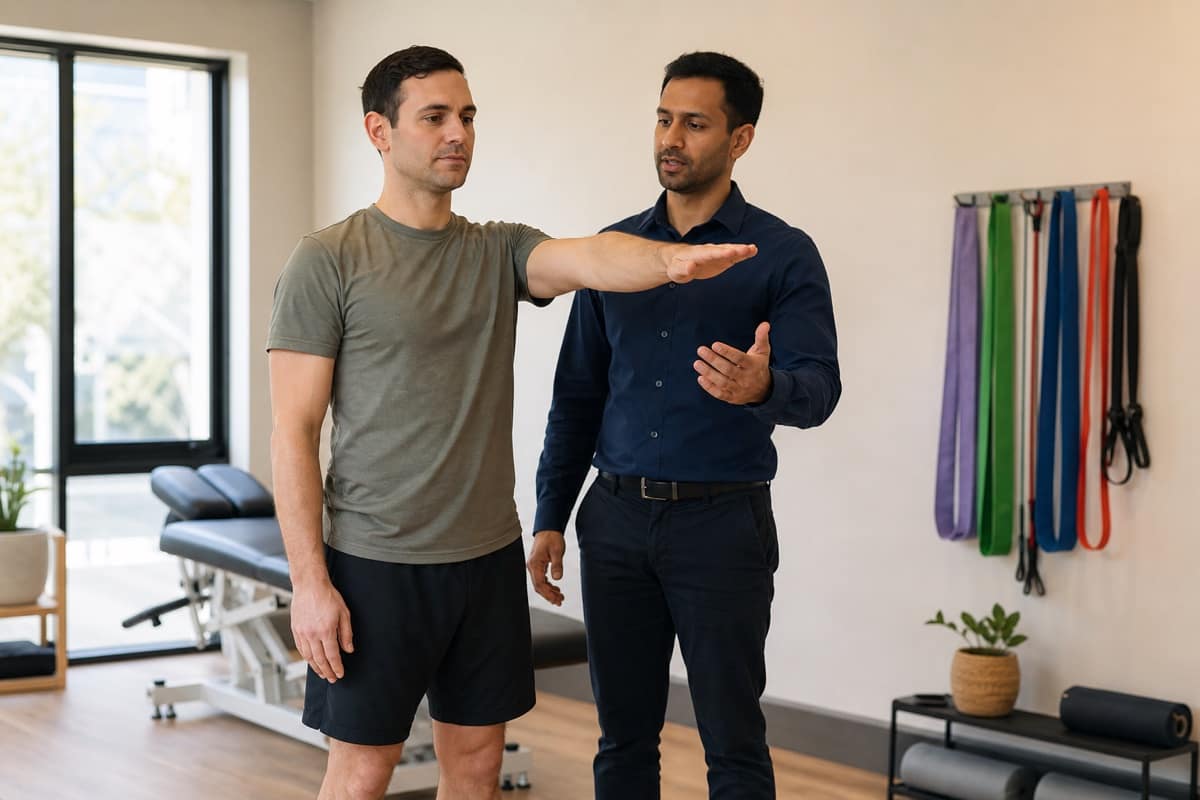
At Advanced Health, the starting point for chiropractic care in Preston is not a predetermined technique. The chiropractor takes a history, examines the relevant area and discusses what they find. A plan might include hands-on care, gentler joint mobilisation, movement work, advice for daily activities or a combination of approaches. Sometimes the right next step is referral to a GP or another health professional.
Your preferences belong in the treatment plan
You can say that you do not want a particular technique. You can also ask the chiropractor to explain an option, suggest an alternative, pause during treatment or stop altogether.
This is not an awkward extra. The Ahpra shared Code of conduct, which applies to chiropractors, says practitioners should provide understandable information, allow time for questions and obtain informed consent before examination, investigation or treatment. That discussion should cover material risks and expected outcomes.
If you are unsure how to raise the subject, a plain sentence is enough: “I’m not comfortable with a cracking technique. What other options are suitable for me?” You may find our article about treatment choices and consent useful before your visit.
What happens at the first appointment?
Expect questions about the symptoms that brought you in, when they started, what changes them and how they affect ordinary activities. The chiropractor should also ask about relevant health conditions, medicines, recent injuries and previous treatment. Healthdirect specifically advises telling a chiropractor about matters such as osteoporosis, arthritis, joint hypermobility, blood-thinning medicines, recent surgery and severe neck or back pain because these details can affect what is appropriate.
An examination may include observing movement and checking the muscles, joints or nerves relevant to your concern. The purpose is to decide whether chiropractic care is suitable and to discuss options—not to push ahead with treatment regardless of the findings. Advanced Health’s new-patient information can help you prepare for the practical side of the visit.
How should progress be judged?
Judge care against goals that matter outside the treatment room. Depending on why you attended, that might mean turning your head more comfortably while driving, sitting through a work meeting with fewer interruptions, returning to a modified exercise session or managing daily tasks with greater confidence.
Those goals should be realistic, specific and reviewed. A good review asks what has changed, what has not and whether the plan still makes sense. It does not rely on how dramatic a technique felt or sounded. No responsible clinician can guarantee an outcome, and it is reasonable to ask what would prompt a change of approach or a referral.
Questions worth asking before treatment
- What did you find in the assessment?
- What are the reasonable treatment options, including doing nothing for now?
- What are the likely benefits, risks and temporary side effects?
- Is there a gentler alternative to this technique?
- How will we know whether the plan is helping?
- When would you refer me to another health professional?
Frequently asked questions
Can I book a chiropractor and ask for no manipulation?
Yes. You can state your preference when booking and repeat it during the consultation. The chiropractor still needs to assess whether they can offer a suitable alternative for your circumstances. You can use the online booking page to choose an appointment, or contact the clinic first if you want to discuss access or communication needs.
Does no crack mean nothing happened?
No. A sound is not a reliable measure of a treatment effect. Progress is better considered through agreed measures such as symptoms, movement and day-to-day function, while recognising that responses vary between people.
What if I feel nervous once I am in the room?
Say so. Ask for the explanation again, request more time or decline the proposed technique. You can also bring a support person if that would help. For practical questions before attending, contact Advanced Health.
This article provides general information and is not a diagnosis or a substitute for individual medical advice. Seek prompt medical assessment for severe or rapidly worsening symptoms, new weakness or numbness, loss of bladder or bowel control, chest pain, a sudden severe headache, or symptoms after significant trauma. Call 000 for an emergency.