Typing “sports massage near me” is often the easy part. The harder question is when to book. Is a session sensible the day before a race? Should you wait after a heavy gym session? And what if ordinary post-training soreness feels more like an injury?
There is no single timetable that suits every runner, lifter, field-sport player or weekend cyclist. The useful starting point is your goal, your training load and how you have responded to massage before. A good appointment should fit around your program, not compete with it.
First, be clear about what sports massage can do
Sports massage is not a shortcut to a faster time or a bigger lift. A large review of randomised studies found no clear improvement in strength, sprint, endurance or jump performance. It did find small average improvements in flexibility and delayed-onset muscle soreness, although results varied considerably between studies.
That makes expectations important. Some people book because they feel stiff after an unfamiliar training block. Others want a comfortable way to settle after an event, or help managing a recurring area of muscular tension. At Advanced Health, remedial massage is tailored to the person in front of the therapist rather than delivered as a standard “sports” routine.
When to book around training
Before a race, match or important training session
If massage is new to you, the eve of an important event is a poor time to experiment with a long or firm session. People respond differently, and temporary tenderness can occur. A more conservative option is to book earlier in the week and tell the therapist exactly when you need to perform.
If you already know how your body responds, timing can be more individual. Even then, “harder” is not automatically better. A pre-event appointment should not leave you feeling as though you have completed another workout.
After a hard session or competition
Post-exercise soreness often develops after an unfamiliar or unusually demanding effort and may be most noticeable over the following day or two. A massage appointment can be one part of a recovery plan, but it does not replace sleep, adequate food and fluids, or sensible adjustments to training.
Tell your therapist what you did, when you did it and what is coming next. A recovery-focused appointment after a long run may call for a different approach from a session during a strength block. Our earlier guide to sports massage for runners, gym-goers and tradies explains how treatment may be adapted to different physical demands.
During a normal training week
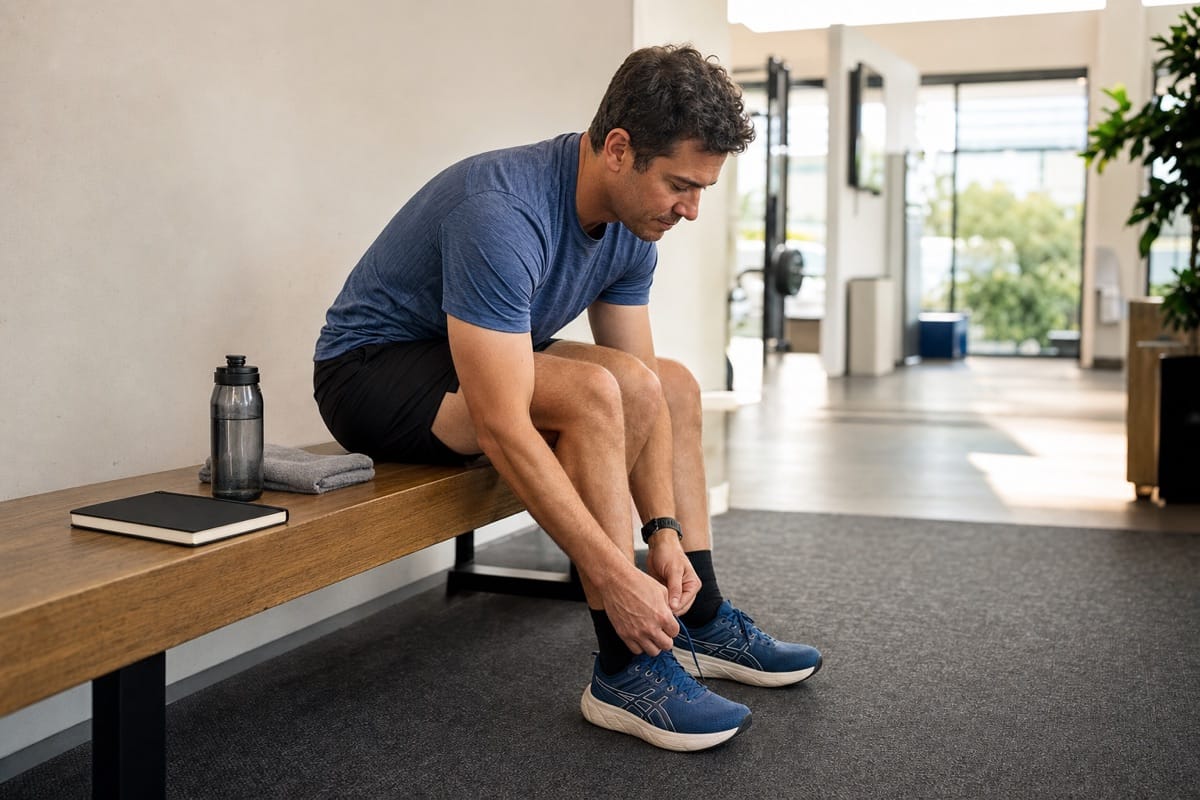
For a first appointment, an easy day or rest day is often practical. It gives you room to notice how you feel afterwards without the pressure of a key session that evening. If you train most days, bring your weekly plan and identify which sessions matter most.
There is also no evidence-based rule that everyone needs weekly massage. Frequency should reflect your reason for attending, response, budget and broader plan. If the same problem keeps returning, repeated short-term relief is a reason to reassess the load, technique, recovery or diagnosis—not simply to book more often.
What to tell your massage therapist
A short, specific history is more useful than asking for “as much pressure as possible”. Before treatment, mention:
- your sport, work demands and usual training week
- your next race, match or heavy session
- where symptoms are, when they began and what changes them
- recent injuries, surgery, unexplained bruising or skin problems
- medicines and health conditions that may affect treatment
- what pressure has felt comfortable or unhelpful in the past.
During the session, speak up if pressure feels sharp, causes pins and needles, or simply feels wrong. Treatment can be adjusted at any time. Being an athlete does not mean you need to tolerate excessive discomfort.
Soreness or something that needs assessment?
General muscle tenderness after a new session is different from a sudden injury. Seek prompt clinical assessment for severe or worsening pain, marked weakness, inability to bear weight, a major loss of movement, or significant swelling after trauma.
A hot, red or swollen calf—especially on one side—needs urgent medical assessment because these can be signs of a blood clot. Call 000 for chest pain, trouble breathing, fainting or other severe symptoms. Do not massage an area when a serious injury or medical problem may be present.
Questions people ask before booking
How long before an event should I have a sports massage?
There is no universal number of hours or days. If it is your first session, leave more space before an important event. If massage is familiar, discuss the event, treatment pressure and your previous response with the therapist.
Can I train after a massage?
It depends on the session and your response. Easy movement may feel fine, while a demanding workout immediately afterwards may not suit everyone. Tell the therapist about your planned training before treatment rather than deciding afterwards.
Do I need sports massage if I am not an elite athlete?
No elite status is required. Recreational runners, community-sport players, gym members and people with physically demanding jobs may all choose massage. The important question is whether the appointment has a clear, realistic purpose for you.
Plan the appointment, not just the treatment
Bring the date of your next important session, note any recent changes in training and explain what you want from the appointment. That information helps the therapist choose a sensible approach and lets you make an informed decision about timing.
Advanced Health provides massage appointments at its Preston clinic. You can check availability and book online.
This article provides general information only and is not a diagnosis or a substitute for individual medical advice. If symptoms are severe, worsening, unusual or follow a significant injury, seek assessment from an appropriate health professional.