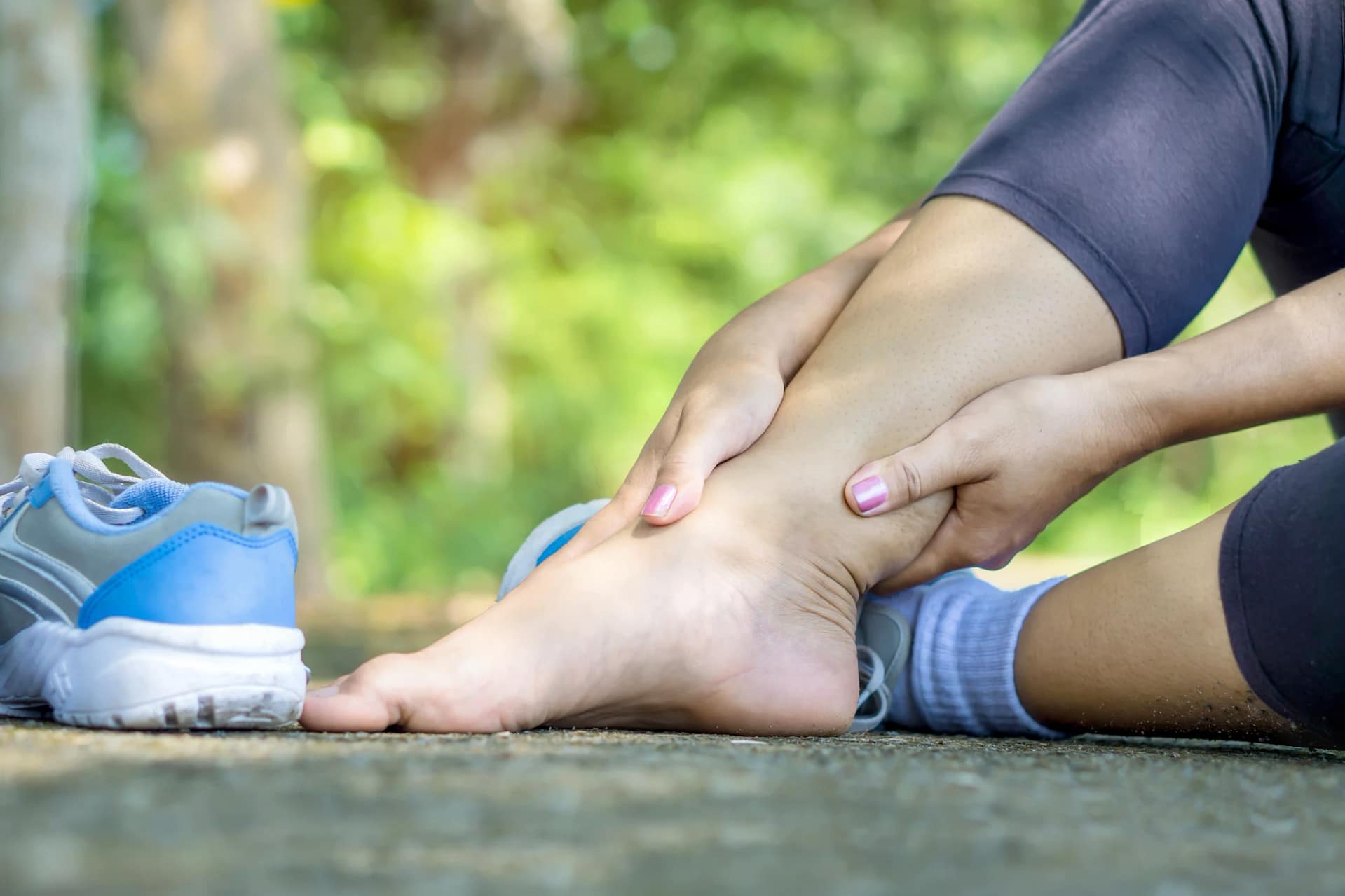
If you run, play sport, stand for long shifts or train at a gym around Preston, Thornbury, Northcote, Reservoir or Coburg, tight calves can be more than a small annoyance. Calf tightness can change how you walk, squat, run and climb stairs. For some people it also sits alongside Achilles irritation, plantar heel discomfort or recurring lower-leg soreness.
This article explains where dry needling in Preston may fit into a conservative care plan for tight calves. It is general information only and does not replace an individual assessment, diagnosis or medical advice.
Why calves can keep feeling tight
The calf is not one single muscle. The gastrocnemius and soleus work together with the Achilles tendon, foot, ankle, knee and hip. Tightness can be influenced by several factors, including recent increases in running volume, hill work, heavy calf raises, long periods in dress shoes, reduced ankle mobility, previous ankle sprains, or simply doing more than the tissue is currently ready to tolerate.
Because there can be several contributors, the most useful question is not just “how do I loosen this?” It is “why is this area being overloaded, and what needs to change so it does not keep coming back?”
What dry needling is — and what it is not
Dry needling uses fine, single-use needles inserted into specific soft-tissue points by a trained practitioner. The aim is usually to influence local muscle tone, sensitivity and movement comfort as part of broader musculoskeletal care.
Dry needling is not a stand-alone cure, and it should not be presented as a guaranteed fix for calf pain, Achilles pain or sports injuries. At Advanced Health, it may be considered alongside assessment, hands-on therapy, exercise progressions, footwear or load-management advice, depending on what is appropriate for the person in front of us.
When dry needling may be considered for tight calves
Dry needling may be discussed when calf tightness is persistent, localised and linked with soft-tissue sensitivity or trigger-point tenderness. It may also be considered when the calf feels difficult to relax despite sensible stretching, mobility work and training modifications.
For active people, the goal is usually practical: helping you move more comfortably while the underlying load, strength and recovery plan is addressed. That might include a runner adjusting weekly kilometres, a footballer managing training spikes, or a gym-goer modifying calf-dominant sessions temporarily.
What to expect at an appointment
A conservative appointment should start with questions about your symptoms, training or work demands, health history and goals. Your practitioner may assess ankle range of motion, calf strength, foot mechanics, walking or running-related movements, and tenderness through the calf and Achilles region.
If dry needling is suitable, your practitioner should explain the expected sensations, possible short-term soreness, alternatives, and any reasons it may not be appropriate for you. Needling should be performed with clean technique and single-use sterile needles. You should feel comfortable asking questions before consenting.
Dry needling works best with a plan
For recurring calf tightness, treatment is usually only one part of the picture. A plan may include calf strengthening, gradual return to running or sport, ankle mobility exercises, changes to training volume, warm-up ideas, or advice about when to seek further medical review.
Strength work is especially important for many lower-leg issues. Isometric calf holds, seated or bent-knee calf raises, and progressive loading can all have a place, but the correct starting point depends on irritability, symptoms and your current capacity.
When calf pain needs medical attention
Most calf tightness is musculoskeletal, but some symptoms need prompt medical review. Seek urgent care if calf pain is associated with marked swelling, redness, heat, unexplained shortness of breath, chest pain, sudden severe pain, recent trauma, or risk factors for a blood clot. Also seek medical advice if you have numbness, progressive weakness, fever, or pain that is worsening without a clear reason.
Local care in Preston
Advanced Health is located at 4/107 Plenty Road, Preston VIC 3072, supporting patients from Preston, Thornbury, Northcote, Reservoir, Coburg, Pascoe Vale, Ivanhoe, Fairfield and nearby Melbourne suburbs. Depending on your presentation, care may involve dry needling, myotherapy in Preston, sports massage, chiropractic assessment, or exercise-based rehabilitation.
If your tight calves are linked with Achilles symptoms, you may also find our guide to Achilles tendonitis and tight calves helpful.
Ready to book?
If calf tightness is affecting running, training, work or day-to-day movement, book an assessment with Advanced Health in Preston. Book online or call (03) 9484 9185.
Quick FAQ
Is dry needling the same as acupuncture?
They can use similar fine needles, but the clinical reasoning and treatment framework may differ. At Advanced Health, dry needling is used in a musculoskeletal context and only when it is appropriate for the person and presentation.
Will dry needling fix tight calves permanently?
No treatment can guarantee that. Long-term improvement usually depends on understanding the cause, managing load and rebuilding strength and tolerance.
Can I train after dry needling?
Your practitioner will advise based on your response and goals. Many people keep activity light for the rest of the day, especially if the area feels sore.